

Comment Faire Des Tours De Magie
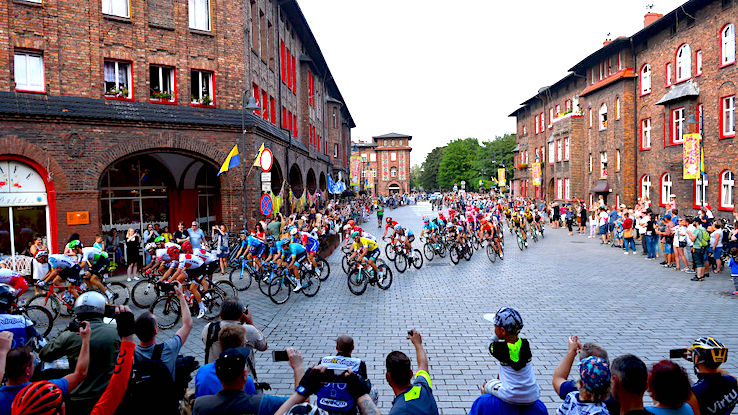
Lasting almost iii weeks and involving several hundred competitors, the Bout de France is i of the biggest sporting events beyond the globe — and in the world of cycling, information technology'south definitely the biggest. This much-predictable annual race faced some setbacks during the COVID-19 pandemic, and while the world hasn't returned to normal still, devoted cycling fans (and those of us who simply love edge-of-our-seats competition) are eager for the big render slated for this summertime.
In laurels of the Tour de France's chiliad 2021 re-entry to the sporting universe on Saturday, June 26, we're taking a look at some fun facts that'll get your anticipation building even more. Plus, you'll observe where and how you can watch every minute of the race from the comfort of home — no cleats or helmet necessary.
Thousands of People Are Involved
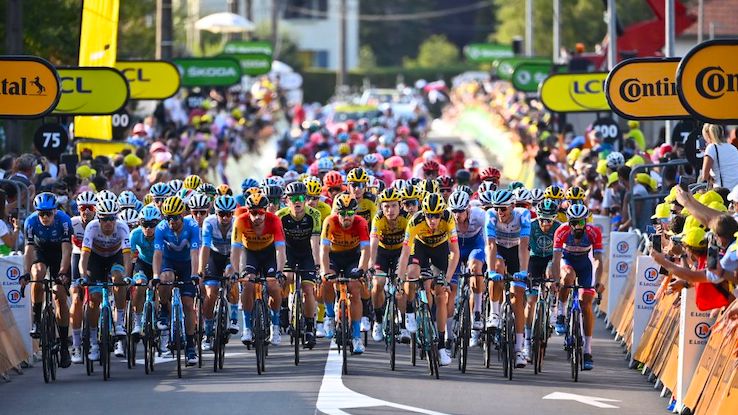
Yous might already know that a bevy of bicyclists participate in the race — 198 riders spread across 22 different teams compete each year. But the number of people involved in ensuring the race goes off without a hitch is much higher than the number of athletes participating. Organizers have logistics to the adjacent level with team staff members, members of the race jury, thousands of security professionals and members of the media. If yous include the spectators in that count, the numbers — pre-pandemic, at to the lowest degree — can run into the millions. From city to city along the race route, hundreds upon hundreds of people follow the action throughout the class of the event. And organizers and support staff continue things running smoothly to the finish line.
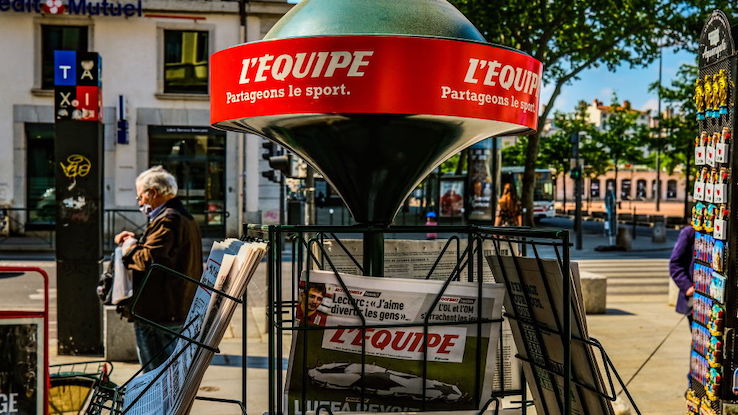
The showtime Tour de French republic wasn't held because a bunch of bicycling fans got together and thought it'd be a great thought to get-go a contest — at least not totally. Information technology was really a promotional event hosted with the intention of bringing more publicity to 50'Auto, a French newspaper that focused on reporting details most dissimilar sporting events. Although L'Auto has since airtight down, the parent company of its replacement,L'Equipe, continues to organize the Tour de France today.
It's Non Just Big, but Also Long
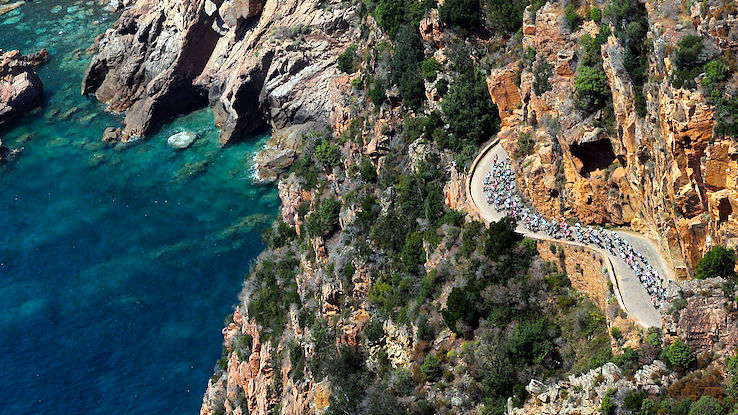
And it's long in multiple ways, too. The race itself takes place over the class of nearly a calendar month, with 21 unlike solar day-long segments making up the bulk of the competition. The length of the course is also extensive, however; information technology's typically over 2,000 miles long and tin pass through multiple neighboring countries. Information technology wasn't even always this curt, either — in 1926, the class encompassed a winding 3,570 miles and took a full calendar month for riders to cease.
Dissimilar Jerseys Hateful Different Things
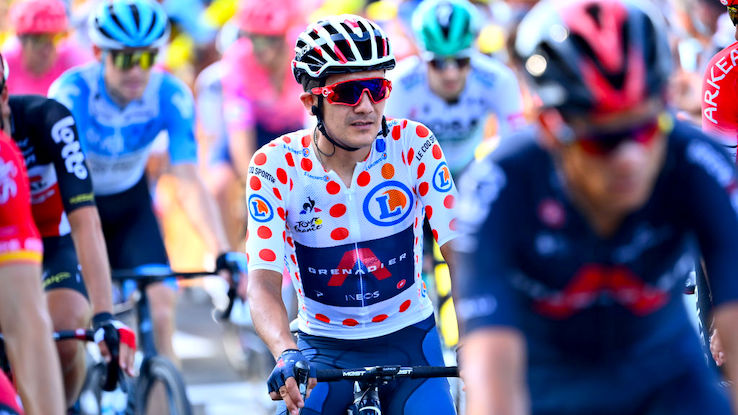
As you scout the race, you'll notice cyclists wearing the bright kits and bibs that represent their teams — simply you'll also spot some even more unique colors and designs amongst the pack. 1 of these is a yellow jersey, called the "maillot jaune," that'due south bestowed upon the racer who had the lowest cumulative ride time for the mean solar day. Other special jerseys include the green "maillot vert," which is awarded to the rider with the most points, and the "maillot a pois" — a red and white polka-dotted jersey given to the cyclist who earns the well-nigh points during the areas of the course that have steep inclines to climb. The rider who wears the maillot a pois is affectionately known as "the king of the mountain."
There Was About Only One Bout de French republic
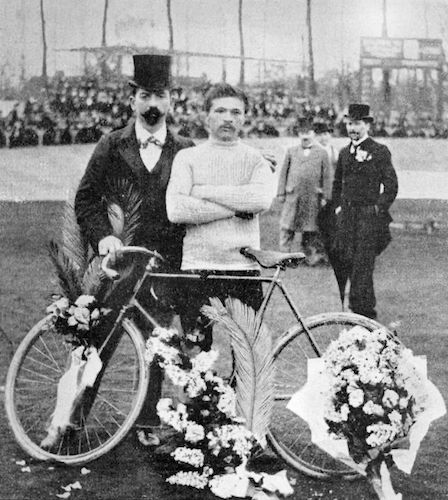
The first Tour de French republic took place in 1903 – and that was almost the i and only iteration of the race. That'south because newspaper editor Henri Desgrange, who helped organize the initial bout, was and then aghast at the deport not only of the fans simply besides of the competitors in the 1903 race that he wanted to discontinue it despite its articulate appeal. Boisterous crowds turned violent, with spectators assaulting racers as they passed along the course. The riders themselves institute numerous ways to crook, disqualifying themselves in the process. But the Bout de France was so lauded — and information technology increased circulation of L'Auto so extensively — that the organizers had no choice but to continue hosting the event.
The Race Has Its Own Linguistic communication
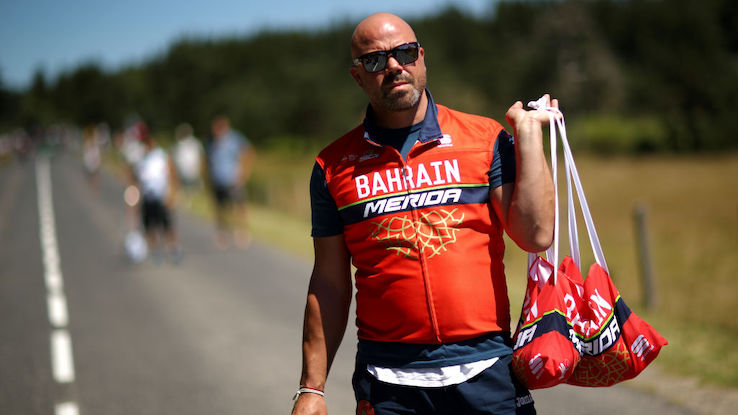
Bonking, anyone? As y'all're watching the Tour de France, you might hear commentators utilize some curious turns of phrase — and many of them volition be unique to the race itself. Boost your bicycling know-how by learning what these terms mean earlier communicable ane of the race segments:
- Bonking: Cyclists don't want to "bonk" during this race; it means they've run out of energy and are too wiped to continue.
- Peloton: No, it's non the fancy exercise bike you bought during the pandemic. In Bout de France context, a peloton is the main group of riders where most of the participants are cycling together.
- Sag Wagon: If someone bonks, they may need the assistance of the sag carriage. This is a motorcar that follows the pack of cyclists and picks up those who become likewise drawn or injured to keep riding.
- Musket Handbag: While it may sound like something you'd observe at a Ceremonious War battleground, a musket bag is sort of like a bagged lunch — but it'southward packed with free energy gels, water, sandwiches and other fuel for the cyclists. Information technology's also called a "musette" or, sometimes, a "bonk handbag."
- Lanterne Rouge: In French, this term means "scarlet light," and information technology refers to the cyclist who's in the very last identify in the race. Being in this position gets riders ample attention, and those who know they won't win sometimes compete for this stardom instead.
You Can Spotter the Activity at Home — Here's How
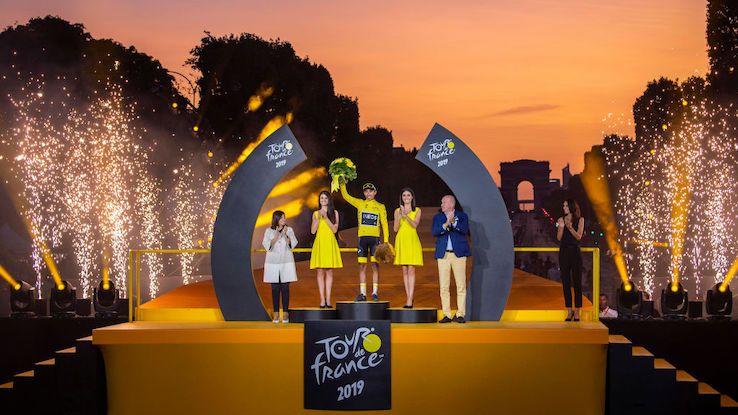
Now that the race has returned to regularly scheduled programming in 2021 following its 2020 pandemic postponement, y'all might be eager to catch the three-week racing saga unfold from the comfort of dwelling house. Fortunately, you have the convenient option to stream the tour live on both NBC Sports and NBC'south Peacock streaming service.
The race coverage on Peacock is only bachelor through Peacock Premium, a paid tier of the service that costs $iv.99 — a worthwhile investment if you're a serious cycling fan who can't wait to lookout man this Yard Tour. NBC Sports is accessible if you're already paying for regular cablevision, but without that subscription you won't be able to stream the program online or scout it on TV unless you spring for Peacock.
Go on in mind that, if you're not already a Peacock subscriber, you'll receive a free weeklong trial to better help you determine if the service is right for you. You can use that to catch up on the race and determine if yous want to brand the month-long (or longer) investment.
Source: https://www.ask.com/lifestyle/facts-tour-de-france?utm_content=params%3Ao%3D740004%26ad%3DdirN%26qo%3DserpIndex&ueid=09f42525-3e50-494b-b6ad-3347fb8a813e
Posted by: priceheivices1957.blogspot.com
0 Response to "Comment Faire Des Tours De Magie"
Post a Comment